


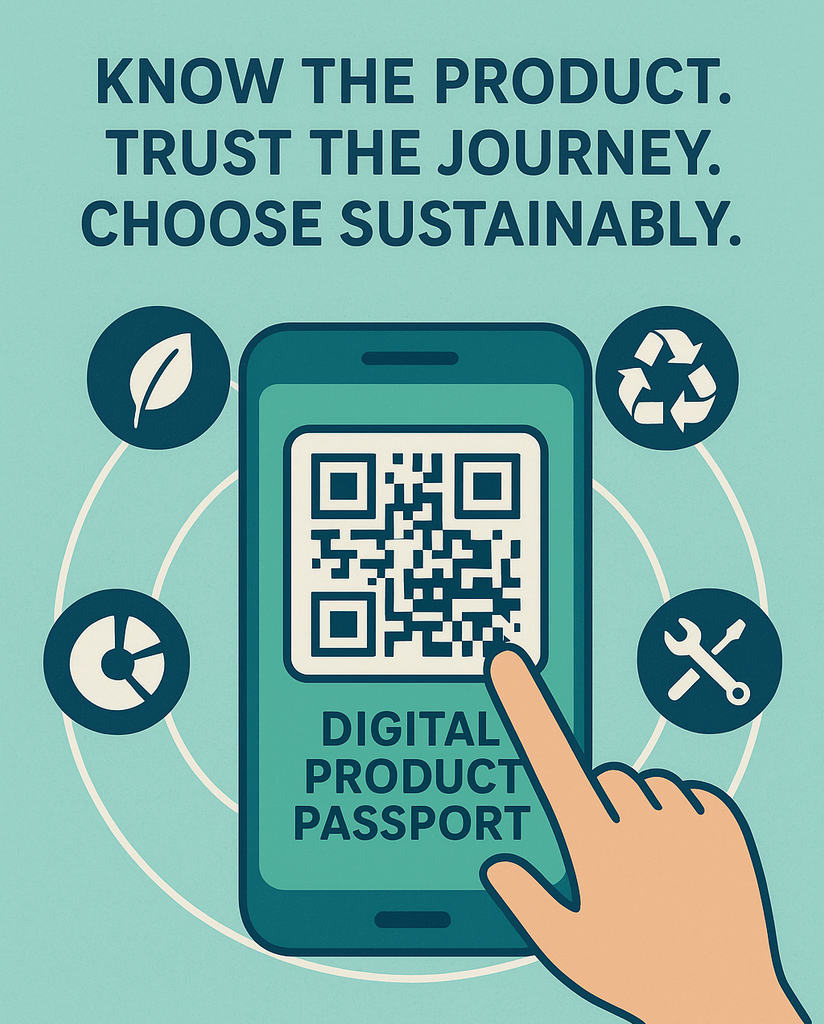
Digital Product Passports - A New Identity for Every Product
The world of consumer goods is evolving faster than ever. Today’s shopper’s no longer settle for just attractive packaging or competitive prices, they demand transparency, traceability, and accountability. Consumers want to know where a product came from, what it contains, how it was made, and what happens to it once it reaches the end of its life.
This growing demand for responsible consumption has led to one of the most transformative innovations in sustainability: The Digital Product Passport (DPP). Far from being a passing trend, DPPs are shaping the next era of informed consumption and ethical production. They embody a philosophy of openness, accountability, and circularity - values that are increasingly defining the future of global commerce.
By giving each product a unique digital identity, DPPs allow consumers, businesses, regulators, and recyclers to access verified, comprehensive information. This not only builds trust but also drives smarter purchasing decisions and encourages a more sustainable, circular economy.
What Exactly Is a Digital Product Passport?
A Digital Product Passport is essentially a structured digital document linked to a specific product. This connection is made through a QR code, RFID tag, serial number, or other traceable identifiers. When scanned, the passport reveals detailed lifecycle information about the product, including:
· Material composition: What is the product made of? Are these materials safe, renewable, or recycled?
· Manufacturing Origin: Where and how was the product made? Were ethical and environmental standards followed?
· Repair and Maintenance Guidance: How can the product be repaired or maintained to extend its lifespan?
· Environmental Footprint: How much energy, water, or resources went into its production?
· Certifications and Compliance: Are the product and its components certified for safety, sustainability, or ethical standards?
· Reuse, Resale, or Recycling Instructions: How can the product be safely reused, recycled, or disposed of at the end of its life?
Think of a DPP as a digital biography of a product, following it from creation to disposal or reuse. Unlike traditional labels, which provide limited information, DPPs are dynamic and accessible to all stakeholders in the product’s lifecycle. This ensures that every claim made about a product can be verified and trusted.
Why Digital Product Passports Matter
The concept of Digital Product Passports is reshaping how we think about products, consumption, and sustainability. Here are some key reasons why DPPs are so important:
1. Transparency in a World Full of Claims: In an era of “greenwashing,” consumers often struggle to distinguish between genuine sustainability efforts and marketing gimmicks. DPPs provide verified data, enabling buyers to see exactly what a product contains and how it was made. This transparency builds trust and allows consumers to make decisions based on facts rather than claims.
2. Laying the Foundation for a Circular Economy: A true circular economy relies on products being reusable, repairable, and recyclable. DPPs make this possible by providing clear instructions for repair, maintenance, and recycling. Recyclers and repair centers can access accurate data about each product, helping recover materials efficiently and reducing overall waste.
3. Enabling Smarter Choices for Consumers: When consumers have access to detailed information about the environmental impact of products, they can make smarter, long-term purchasing decisions. For example:
· Electronics: Consumers can choose devices that are easier to repair or upgrade.
· Clothing: Buyers can select garments made with sustainable fabrics and ethical labor practices.
· Home Appliances: Shoppers can identify products with energy-efficient ratings and recyclable components.
By shifting the focus from price alone to sustainability and durability, DPPs empower responsible consumer behavior.
4. Better Compliance for Businesses: Governments and regulatory bodies worldwide are increasingly mandating proof of sustainability and compliance with environmental standards. DPPs simplify this process by centralizing all necessary documentation. This not only reduces administrative burdens but also helps businesses stay ahead of evolving regulations.
5. Unlocking New Business Models: Verified product data opens the door to innovative business opportunities, such as:
· Second-hand marketplaces
· Repair services
· Rental and subscription models
· Trade-in and buy-back programs
All of these models rely on trustworthy, easily accessible product information, which DPPs provide.
How Digital Product Passports Help in Daily Life
The benefits of DPPs extend across all stakeholders:
For Consumers: By scanning a DPP, buyers can instantly access critical information such as:
· Are the materials used safe and environmentally friendly?
· How can the product be maintained or repaired to last longer?
· Is the product recyclable, or can it be safely disposed of?
· Are the sustainability claims made by the manufacturer genuine?
This immediate access to verified information makes every day purchasing decisions more transparent and informed.
For Manufacturers: DPPs streamline traceability across the supply chain, helping companies:
· Monitor sourcing and production practices
· Ensure compliance with emerging global regulations
· Track the environmental impact of their products
· Build trust with eco-conscious customers
For Recyclers and Repair Centers: Real-time access to product details improves efficiency, enabling:
· Accurate sorting of materials for recycling
· Easier repair and refurbishment
· Reduced waste and better resource recovery
For Policymakers: Standardized, digital product data improves monitoring and enforcement of sustainability policies, enabling:
· More effective regulation of industries
· Data-driven policy design
· Tracking progress toward environmental goals
Will Sustainability Certifications Become Fully Digital by 2030?
The world is moving toward digital sustainability certifications, but adoption will vary across industries and regions.
Why Digital Certifications Are Increasing:
· Stricter global regulations on sustainability
· Rising consumer demand for traceability and transparency
· Improved efficiency and accuracy compared to paper-based systems
· Better alignment with circularity and sustainable product design
· Seamless integration into supply chain and business management software
Why the Shift May Not Be Complete by 2030:
· Developing countries may face cost and infrastructure challenges
· Industries differ in their level of digital readiness
· Standardization, data privacy, and interoperability issues
· Small manufacturers may struggle to implement DPPs fully
By 2030, it is likely that most major industries including electronics, textiles, and consumer goods, will have partially or fully digital sustainability certifications, though global uniformity may take longer.
The Future of Consumer Responsibility
Digital Product Passports are more than a technological upgrade; they represent a new philosophy of responsible consumption. They give every product a verifiable identity, enabling:
· Consumers to make informed, sustainable choices
· Businesses to operate transparently and ethically
· Industries to transition toward circular systems
· Governments to enforce sustainability standards effectively
By embedding traceability into every product, DPPs encourage accountability at every stage of the supply chain. They shift the power from marketing claims to verified information, helping reduce waste, conserve resources, and protect the environment.
Final Thoughts
Sustainability becomes tangible when every product can tell the truth about its journey. Digital Product Passports are not just a tool for compliance or marketing, they are a catalyst for change, shaping the future of ethical production and consumption.
As industries evolve, DPPs will play a critical role in building trust, transparency, and circularity. They will allow consumers to ask important questions and receive accurate answers, enabling smarter, greener decisions.
At its core, the Digital Product Passport represents a new identity for every product; one that is honest, verifiable, and sustainable. By 2030, it is likely that DPPs will become the standard across major industries, making the concept of responsible consumption not just a choice, but a global expectation.
“Sustainability becomes real when every product can tell the truth about its journey.”